How to lovingly address a son in Ukrainian: beautiful and tender options
On the occasion of International Son's Day, linguists highlight the rich variety of affectionate terms available in the Ukrainian language.
 👥Society
Photo: TSN
Key points
- International Son's Day is celebrated on November 22
- Ukrainian offers many traditional affectionate terms
- The word 'synulya' is recognized in dictionaries as colloquial
- Using the vocative case properly is essential for correct speech
The Ukrainian language boasts an impressive array of warm and affectionate words designed for parental communication. With International Son's Day bringing attention to family bonds, it is a great opportunity to explore not just the common address forms, but a wide range of authentic and melodious alternatives that make everyday conversations much warmer.
Traditional derivatives of the word 'syn' (son)
Aside from the standard 'synku', Ukrainian dictionaries document several diminutive forms that help express care and tenderness:
- Synochku — a soft family term, ideal for warm advice or gentle reminders.
- Synon'ku and synok — options that add a special touch of emotional warmth.
- Synu — a traditional form capable of sounding both tender and solemn.
Regarding the conversational word 'synulya', linguists note that although some perceive it as a borrowing, academic dictionaries officially record it as a colloquial affectionate derivative. Still, the language offers plenty of other options for parents wishing to diversify their vocabulary.
Figurative and colorful addresses
Beyond words derived directly from the noun 'son', Ukrainian tradition is rich in figurative expressions that emphasize the child's value:
- Sonechko (little sun) and zolotko (little gold) — to denote the dearest person.
- Sokole or sokolyku (falcon) — traditional deep-rooted Ukrainian addresses.
- Kozache (little Cossack) — a playful yet proud option for a boy.
- Serden'ko (little heart) and ptashenyatko (little bird) — exceptionally tender words for younger children.
Experts emphasize the importance of using the vocative case correctly when addressing a child directly, such as 'synku', 'sokole', or 'kozache'. Ultimately, the choice depends on family traditions and the child's age, as long as the words convey genuine love.
Source TSN — tsn.ua/other/sonechko-chy-kozache-iak-lahidno-zvertatysia-do-syna-ukray… ↗
Read next
 🏙️City
Tragedy in the Mountains: Romanian Rescuers Find Dead Ukrainian After Border Crossing
During a search and rescue operation in the snowy Maramureș mountains of Romania, the body of a Ukrainian citizen was found. Two other men who got lost were rescued.
 ⚽Sport
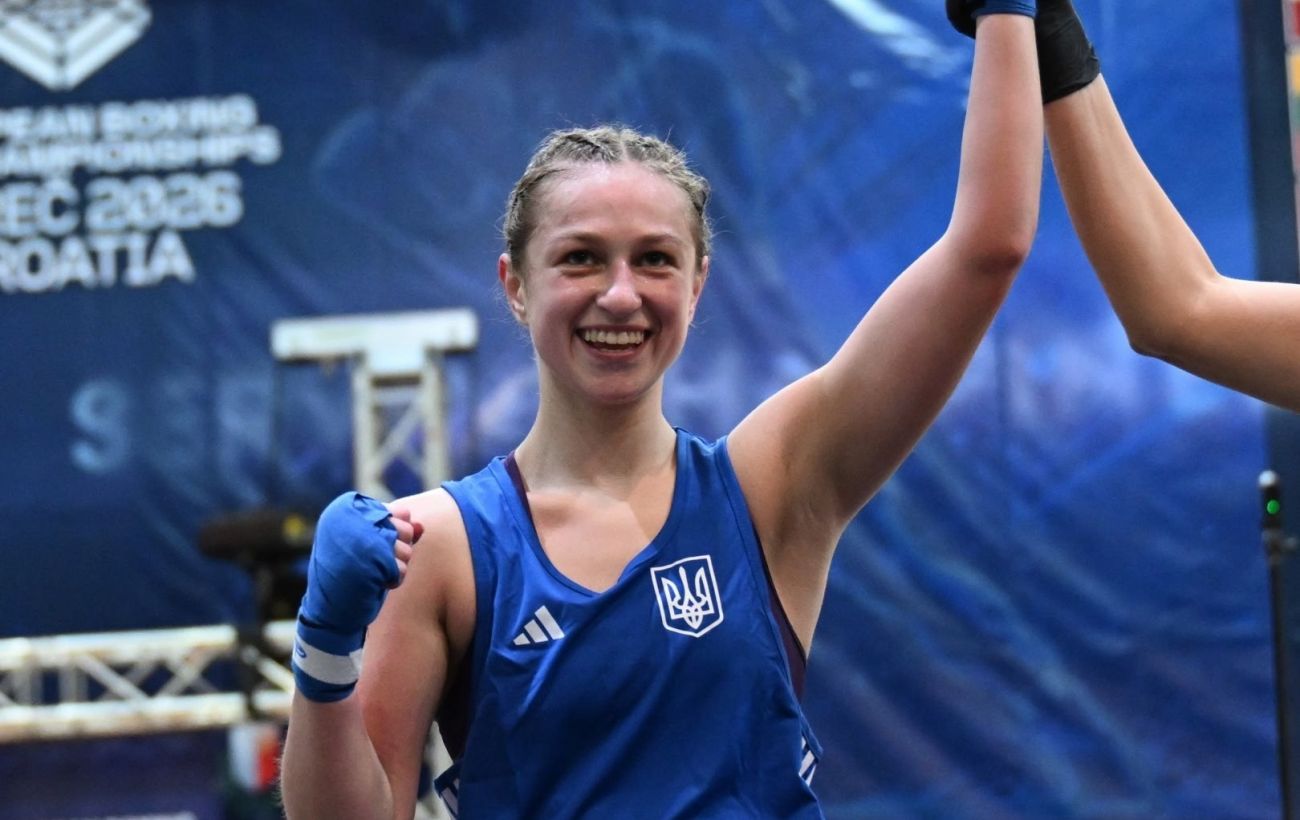
Ukrainian boxer Sofia Turbinina wins bronze at the U23 European Championship in Croatia
Ukrainian athlete Sofia Turbinina secured a bronze medal at the continental U23 boxing championship in Poreč, Croatia. In the semifinal bout, she was defeated by a repres…
 💼Economy
Labor shortage in Ukraine: in-demand specialists and salary trends
The Ukrainian labor market continues to face an acute shortage of personnel in manufacturing, technical, and medical fields. Even high salary offers exceeding 60,000 hryv…
 🛡️Security
US Restricts Military Cooperation with Canada via Secret Pentagon Directive
US Defense Minister Pete Hegseth signed a classified memo limiting military-to-military contacts with Canada, fueling bilateral tensions.
 🩺Health
The Benefits of Sauerkraut for Immunity: Nutritionist's Advice
Nutritionist Bartosz Kulczyński explains how daily consumption of sauerkraut helps boost the health of the elderly.
 🎭Culture & Sport
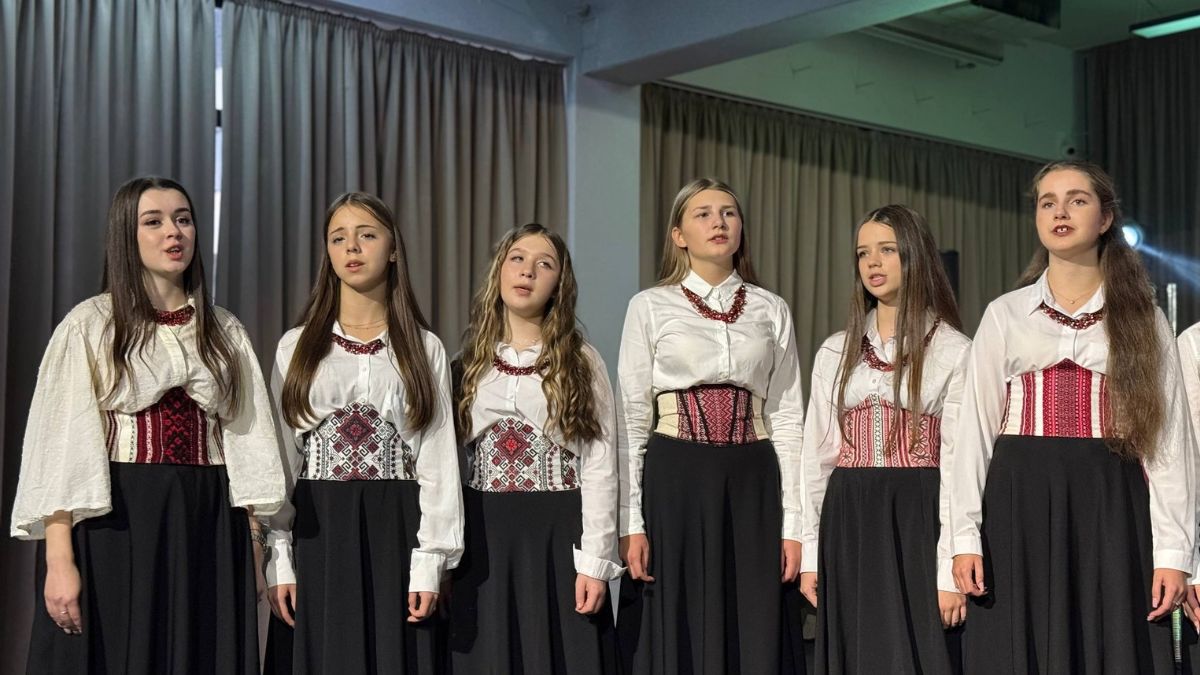
Young talents from neighboring community triumph at international festival in Bukovel
Three groups from neighboring Kalush won two Grand Prix awards, 25 prizes, and vouchers at the international festival 'Wonder fest – Karpaty' in Bukovel.