Results of the Trilateral Summit in Shenzhen: Diplomatic Context and Global Reaction
The first trilateral meeting between the leaders of the US, Russia, and China took place in Shenzhen. Despite high-profile statements, no concrete decisions were reached regarding European security or the conflict in Ukraine.
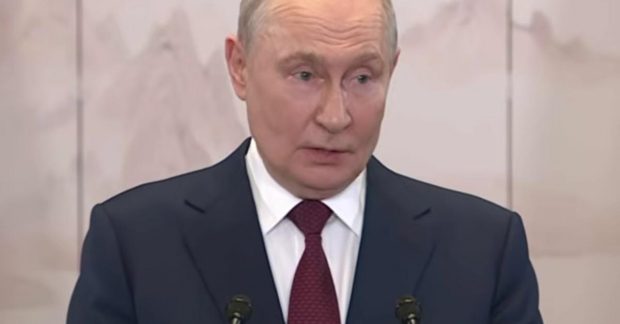 🇺🇦Ukraine
Photo: UNIAN
Key points
- First trilateral meeting of US, Russian, and Chinese leaders in Shenzhen
- Absence of mentions of Ukraine in the final declaration
- Russia attempting to use the summit to legitimize its status
- Ukraine continues successful strikes on strategic Russian assets
A Diplomatic Format Lacking Substance
The recent summit in Shenzhen marked a significant event, as the leaders of the United States, Russia, and China met at the same table for the first time. Despite the high status of the participants and the historical weight the organizers attempted to assign to the meeting, the final declaration lacked concrete solutions to global security challenges.
The document resulting from the negotiations completely bypassed the issue of the war in Ukraine, ceasefire agreements, or the broader security architecture of Europe. Instead, the leaders focused on general topics such as UN reform, nuclear risks, and immunity for state officials, which drew criticism from European leaders, including Polish Prime Minister Donald Tusk.
Interests of the Parties and Battlefield Realities
Analysts note that each leader pursued their own objectives. For Vladimir Putin, the main achievement was the photo opportunity and the fact of participating in negotiations as an equal partner with major powers, which he intends to leverage for domestic propaganda. Meanwhile, Donald Trump gained an opening for further dialogue on nuclear programs, and Xi Jinping underscored Beijing's influence.
Despite Russia's attempts to create an illusion of the inevitability of its victory, the reality on the battlefield remains difficult for the aggressor. Ukrainian forces continue to operate effectively behind enemy lines, including strikes on the Kerch Bridge and Russian oil infrastructure, which significantly limits Moscow's ability to dictate terms.
Source UNIAN — unian.ua/world/samit-v-kitaji-udar-po-krimskomu-mostu-zipsuvav-puti… ↗
Read next
 🏙️City
Power grid under pressure: scheduled blackouts introduced for Monday
Due to the consequences of hostile attacks on energy infrastructure, planned electricity restrictions will apply across regions at the start of the week.
 💡Tech
German Army Tests Ukrainian Delta Combat Management System for Integration
Germany intends to test and integrate the Ukrainian Delta combat management system, which has proven effective in real conditions.
 🏙️City
Airstrike on Sloviansk: Deadly bomb hit leaves casualties in apartment building
Russian forces launched an airstrike on Sloviansk in the Donetsk region using a powerful FAB-500 aerial bomb. The direct hit on a residential building resulted in two dea…
 🛡️Security
Invaders Change Energy Strike Tactics: Odesa and Dnipro Regions Targeted
President Volodymyr Zelenskyy reported on a new enemy tactic aimed at destroying grids and transmission lines to cut off key regions from power supply.
 👥Society
How Overparenting Affects Adulthood: Insights from Psychologists
Psychologists explore how helicopter parenting and excessive childhood control shape psychological traits in adult life.
 🏙️City
Tragedy in the Mountains: Romanian Rescuers Find Dead Ukrainian After Border Crossing
During a search and rescue operation in the snowy Maramureș mountains of Romania, the body of a Ukrainian citizen was found. Two other men who got lost were rescued.